Floral Love Papercut SVG 8 Embroidery Review
As a designer who has spent years turning digital files into tangible, stitched treasures, I know that the difference between a mediocre project and a bestseller often comes down to one thing: the integrity of the source file. When Floral Love Papercut SVG 8 landed on my desk, I didn't just see another set of vector paths; I saw a potential centerpiece for a new line of boutique goods. The title suggests a delicate aesthetic, and in the world of Crafts and Graphics, "papercut" implies intricate layers that need to translate beautifully from screen to fabric.
My goal was simple: determine if this design could survive the rigors of real-world machine embroidery without losing its soul. Would it hold up on a busy Saturday morning at a craft fair? Could it stand out on an Etsy listing as a premium handmade product? Here is my honest assessment based on how I would deploy this asset in a commercial setting.
The First Impression: Mood and Visual Personality
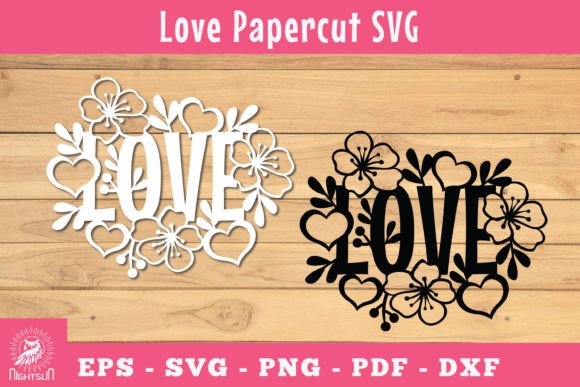
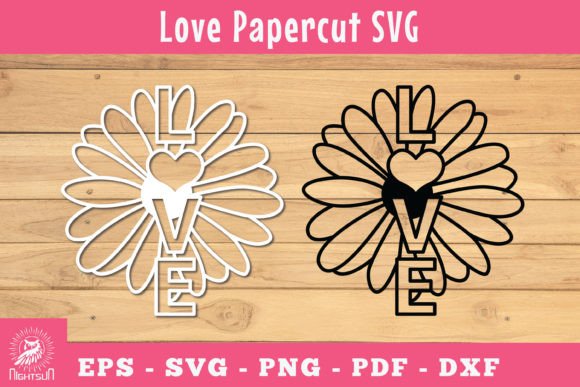
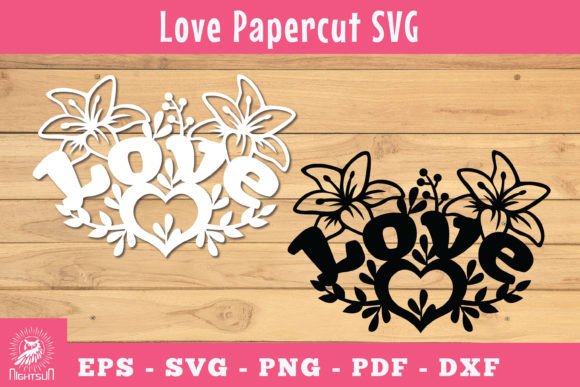
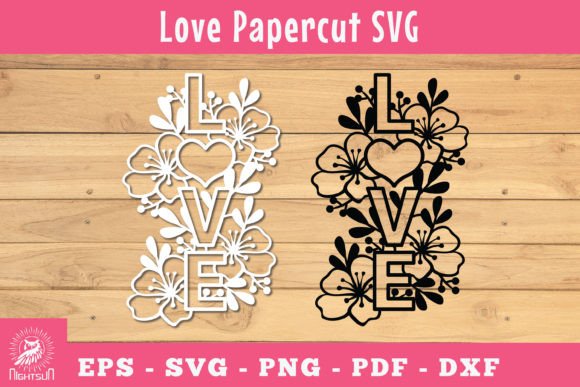
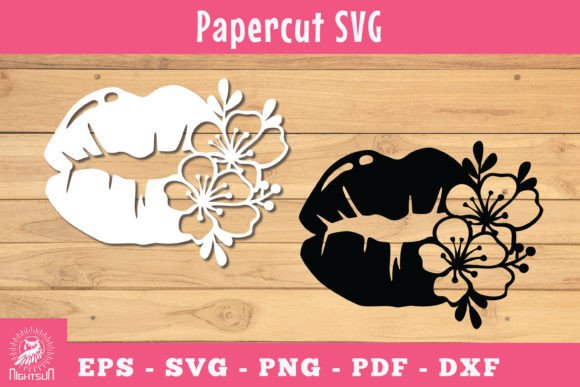
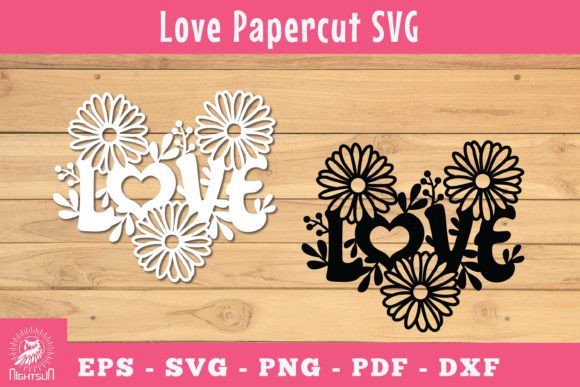
The moment I opened the file, the visual personality of Floral Love Papercut SVG 8 was immediately apparent. It carries a romantic, soft mood that feels perfect for gifts, weddings, or nursery decor. Unlike blocky, generic floral patterns, this design mimics the look of layered paper art. That specific texture is crucial because it adds depth even when stitched with thread.
In terms of layout, the composition feels balanced but not rigid. For a designer eyeing this for custom apparel or tote bag design, the spacing allows for enough negative space around the edges so the embroidery doesn't feel cramped against the garment seams. The "Love" aspect of the title isn't just text; it's integrated into the flow of the flowers, suggesting a cohesive narrative. This kind of storytelling is exactly what drives customer trust and engagement in the handmade market.
Real-World Application: From File to Finished Product
To truly test the viability of this design, I imagined a specific scenario: creating a custom embroidered sweatshirt for a small boutique brand launching a spring collection. The client wanted something feminine but durable, suitable for everyday wear. I loaded Floral Love Papercut SVG 8 into my digitizing software to simulate the stitch path.
The transition from a flat SVG to a machine embroidery design requires careful consideration of stitch types. The papercut style relies heavily on clean lines, which usually translates well to satin stitch for borders and running stitch for delicate internal details. If executed correctly, the design would create a raised, tactile surface that invites touch—a key factor for selling handmade products online where customers can't physically inspect the item before buying.
I also considered its potential for embroidered patches. The distinct outlines make it an excellent candidate for applique work, where a contrasting fabric background could be fused behind the cutouts to enhance the "layered" effect. This versatility means the same digital embroidery file could generate multiple revenue streams: a direct-to-garment shirt, a sew-on patch for denim jackets, or even a decorative accent on a kitchen towel.
Navigating Challenges: Where to Use Caution
No design is without its pitfalls, and Floral Love Papercut SVG 8 is no exception. While beautiful, its intricate nature demands respect for the physical limitations of your equipment and materials. If you are working with a small hoop size, you must verify the dimensions of the design relative to the available stitching area. Tiny details in a complex floral arrangement can sometimes get lost if the hoop is too tight or the fabric shifts during the process.
Fabric choice is equally critical. On stretchy fabrics like jersey t-shirts, high-density areas might cause puckering unless you use the proper stabilizer. Similarly, on textured fabrics like heavy denim or fleece, the fine lines of the papercut effect might not register clearly. In these cases, the design might lose its crispness, making it look muddy rather than detailed.
I would also advise caution when using this design on dark fabrics without a backing layer. The contrast provided by standard thread colors might not be enough to make the lighter elements of the "papercut" look pop. Additionally, if you plan to wash the finished product frequently, such as a baby onesie or a daily-use apron, ensure the stitch density is sufficient to prevent fraying over time. Dense stitch areas require strong stabilization to maintain their shape through the laundry cycle.
Technical Considerations for the Professional Designer
Before committing to a large production run, there are several practical steps every designer should take. First, always test the design on scrap fabric. This allows you to check thread color contrast and observe how the stitches behave on different textures. You might find that a specific shade of blue looks vibrant on white but disappears on gray, requiring a color swap to maintain visual appeal.
Review the stitch density settings in your software. High density creates a luxurious feel but can make the fabric stiff, while low density might look cheap. Since the design includes fine details, confirm that your machine can handle the required needle count without skipping stitches. Also, inspect the small corners of the floral elements; these are often the first places to break down if the file isn't optimized for sewing.
It is also wise to test the design in black and white mockups. Sometimes, color distracts us from structural issues. A design that looks good in full color might have alignment problems that become obvious when viewed in grayscale. Furthermore, compare light and dark fabric backgrounds to ensure the design remains legible across different product variations.
Impact on Brand Value and Customer Perception
In the competitive landscape of Etsy sellers and small shop products, presentation is everything. Using a high-quality, well-executed design like Floral Love Papercut SVG 8 signals professionalism. Customers can tell the difference between a rushed job and a thoughtfully crafted item. A clear, precise embroidery job enhances the perceived value of the item, allowing you to command higher prices for your personalized gifts.
This design also supports brand consistency. Whether you are producing holiday embroidery items for Christmas or wedding favors for a summer event, the consistent quality of the stitching reinforces your reputation as a reliable maker. When buyers see a product that looks polished and professional, they are more likely to return for future purchases or recommend your shop to others.
Final Thoughts on Commercial Viability
Floral Love Papercut SVG 8 is more than just a pretty image; it is a versatile tool for creative entrepreneurs. It fits seamlessly into categories ranging from baby embroidery to apparel decorators looking for unique accents. However, success depends on your preparation. Ensure you have the correct stabilizer for your chosen fabric, verify the licensing terms for commercial use, and double-check that the file formats (SVG, AI, EPS, DXF) align with your workflow.
If you treat this design with the care it deserves—testing thoroughly, selecting the right materials, and paying attention to detail—it has the potential to elevate your entire product line. It offers the delicate charm of paper art with the durability of thread, making it a smart investment for anyone serious about their craft business. Just remember, the magic happens in the execution, not just the file itself.